Garden Maintenance in Lewisham

Garden Maintenance Lewisham offers practical care for outdoor spaces that need regular attention, seasonal tidying and considered upkeep. Our work centres on keeping planting areas neat, lawns manageable, borders tidy and shared spaces presentable, with services shaped around the condition of the garden and the routine it needs. For some properties that means straightforward lawn care and edge work; for others it may involve pruning, hedge trimming, clearing debris or resetting overgrown areas into something easier to manage.
The service suits homeowners, landlords, managing agents and occupiers who want reliable help with the day-to-day jobs that keep a garden under control. We can support one-off visits and planned maintenance, depending on what is needed. If you want to compare service details before you enquire, see our services overview for a broader look at the work we cover and how the different tasks fit together.
Tell us what needs attention and we will help shape a sensible plan. Clear, regular maintenance often makes the next visit simpler, because small jobs do not have time to build into larger ones. If you are arranging a quotation, it helps to share the size of the space, the level of growth and any access considerations so we can quote on the right basis.
Regular garden upkeep and routine visits
Routine maintenance is the foundation of a tidy, healthy outdoor space. It typically includes mowing where grass is present, light trimming, removing fallen material and keeping paths, beds and edges clear enough for everyday use. Some gardens need frequent visits in spring and summer, while others only need periodic attention to stop growth becoming awkward. We focus on the practical tasks that keep a garden usable rather than trying to overcomplicate the schedule.
Where appropriate, our maintenance work can be planned around the seasons. In quieter periods the emphasis may be on clearing leaves, cutting back spent growth and preparing beds for the next phase. In stronger growing months, the focus shifts towards controlling grass length, trimming hedges and keeping shrubs from encroaching on access or light. If you want to discuss a maintenance pattern that suits the space, start with the condition rather than the calendar so the service can be matched properly.
For customers who prefer a wider view of available work, our garden maintenance page sets out the service in more detail. You can also compare the main task categories by reading the lawn mowing page if grass care is the priority. Together, those pages help show how a regular garden programme can be built from individual tasks without turning every visit into a full overhaul.
Clearance, tidying and re-setting neglected areas

Some gardens need more than routine upkeep. When growth has been left for a while, the first job is often to restore order by removing bramble, cuttings, fallen material and accumulated waste. That may be followed by selective pruning, hedge work, reshaping of borders and a simpler maintenance plan for the future. This kind of clearance is useful when the aim is to regain access, open up usable space or make the garden easier to look after without changing its character completely.
We approach clearance carefully, especially where plants, structures or boundary features need to be preserved. A neglected space may contain mixed planting, self-seeded growth, uneven surfaces or hidden items that need to be handled in stages. In those cases it is usually better to work methodically than to push straight through the whole area at once. If the garden has become difficult to use, our garden clearance page explains that sort of work more fully and shows how it can fit alongside ongoing upkeep.
When there are mature shrubs, small trees or dense hedges involved, the scope may broaden into more targeted cutting back. Some jobs are about improving shape, while others are about making the site safer to move through. If you are weighing up whether a lighter tidy or a fuller clearance is more suitable, think about what must stay, what can be reduced and what simply needs removing.
Hedge, shrub and boundary trimming
Trimmed hedges and controlled shrub growth make a noticeable difference to the look and usability of a garden. Boundary lines stay clearer, paths remain open and planting beds are easier to manage when growth is cut back with a steady hand. The aim is not only visual neatness but also balance, so the work suits the shape of the planting rather than flattening it into something unnatural. Careful trimming can preserve privacy, keep circulation routes open and stop heavier growth from shading out smaller plants.
Different hedges call for different treatment. Formal hedges benefit from clean, even cuts that maintain a defined profile, while looser screening plants may need selective reduction and thinning rather than a blunt trim. Shrubs can often be improved by removing dead or crossing material and shaping the outer growth, but some species respond best to lighter touch work. For the boundary-focused side of the service, see our hedge trimming page for a more specific explanation of the task.
Well-timed trimming can also reduce future maintenance by stopping a hedge or shrub from becoming awkwardly wide, heavy or difficult to access. It is useful to think about the result you want: crisp lines, softer shaping, more light, or less overhang. The more clearly that is described, the easier it is to assess what kind of cut is appropriate.
Lawns, edges and the finish that holds the garden together

Lawns often define how maintained a garden feels, even when planting areas are modest. Regular mowing keeps the surface even and improves the appearance of the whole plot, while edging gives the work a sharper finish. In many gardens, the lawn is also the easiest place to see whether a maintenance programme is working, because growth, condition and frequency of care show up quickly there. Good lawn work is not only about cutting grass; it is about leaving an even, tidy result that sits comfortably with the rest of the space.
There are several decisions to make around lawn care. Some spaces need simple cutting and collection of clippings, while others benefit from edging, light strimming around obstacles or attention to awkward corners. If grass has become long, the approach may need to be more gradual to avoid leaving a ragged finish. For more focused information on that aspect of the work, our lawn mowing page sets out the service in straightforward terms.
Lawns also sit alongside the other parts of the garden, so the best result usually comes when mowing is considered together with border clearance and hedge control. If the edges are frayed, overhang is reducing light or weeds are spreading from nearby beds, the lawn can look untidy even after a cut. That is why a maintenance visit often works best when the surrounding details are kept in view too.
Design changes, replanting and larger outdoor improvements
Not every outdoor project is about repeat maintenance. Some gardens need layout changes, new planting areas, reshaped borders or better use of available space. In those cases, maintenance and improvement can sit together, with the longer-term aim being a garden that is easier to keep under control. A measured approach helps here, because the right changes should support the property’s use without creating extra work later on.
Where a garden would benefit from a fuller transformation, landscaping or landscape gardening may be the better route. That can include reworking sections of the plot, defining areas more clearly, improving visual flow and introducing materials or planting schemes that make the space more practical. If you are exploring that kind of work, our landscape gardening page and landscaping page outline those options in more detail, so you can judge whether upkeep alone is enough.
These larger projects still rely on sensible sequencing. Existing growth may need to be reduced before any reshaping begins, and the finished design should allow for future maintenance without making access awkward. A thoughtful plan can save time later, especially where borders, lawns and hedging need to work together rather than compete for space.
Wooden features and garden structures that need care

Many gardens include timber features that sit alongside planting and lawn areas, such as decking or raised structures. These elements can influence how the whole space is used, so they deserve attention as part of a broader garden upkeep plan. Cleaning, clearing around edges and keeping adjacent growth under control all help timber features remain neat and usable. Where a deck forms part of the garden layout, the surrounding maintenance can make a considerable difference to the final impression.
Our decking services page covers the timber side of the work for customers who need a more focused explanation. In practical terms, decking often needs careful integration with planting beds, paths and boundary planting so it does not become visually swallowed by growth. If the deck is set within a larger garden, it may be sensible to combine that with trimming and clearance work so the structure and the planting sit well together.
Good upkeep around built features also makes everyday use easier. Leaves, cuttings and encroaching branches can quickly make a neat area look neglected, so tidy edges and clear circulation matter just as much as the surface itself. If your garden contains a mix of living growth and hard landscaping, the best maintenance plan is usually one that respects both.
About Lewisham
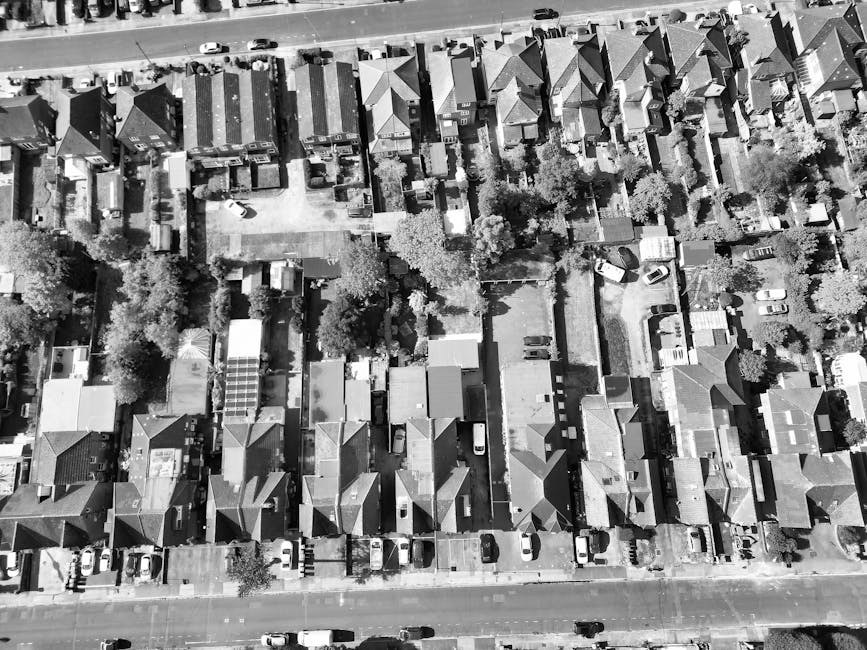
Lewisham is a district in south-east London with a layered urban character shaped by long development, transport connections and a mix of residential, commercial and civic spaces. The area sits within the London Borough of Lewisham and includes a central town centre alongside surrounding neighbourhoods that vary from dense streets of Victorian and Edwardian housing to later twentieth-century estates and newer development. Its built environment reflects successive periods of change rather than a single architectural style, which gives the district a varied appearance from street to street. The name is also associated with the River Lewisham, a small watercourse historically linked to the locality, though much of the modern area is defined more by roads, rail lines and town-centre activity than by open water. Lewisham Station remains one of the best-known transport nodes in the district, with rail and DLR connections contributing to its role as a busy inner-London centre. The borough includes parks and open spaces as part of its wider public realm, and the local street pattern often mixes main routes with quieter residential roads. Over time, the area has developed into a place where everyday civic life, retail activity and neighbourhood living sit close together. Its identity is therefore urban but not uniform, with pockets of market activity, local shopping, housing estates, school sites and small green spaces all forming part of the wider setting.
Practical planning, quoting and service options
A clear quotation usually depends on straightforward information rather than lengthy explanation. The size of the garden, the type and density of growth, whether waste needs to be removed and how easy it is to reach the work area all affect the scope. If the space has uneven access, steep changes in level or particularly dense planting, those details are worth mentioning early. The more accurately the site is described, the easier it is to propose a sensible plan for the work.
You do not need to write a long brief, but a few facts are useful: what needs cutting, what needs clearing, what should be left in place and whether the garden is currently tidy, overgrown or somewhere in between. If it helps, make a short list of the tasks you want covered before you enquire. For a clearer picture of how pricing and quotations are handled, our pricing and quotes page is the best place to start.
Once the main priorities are clear, the job can usually be shaped around them rather than forcing one standard package on every garden. That is often the most efficient way to proceed, because the work is matched to the real condition of the space. Whether you are arranging a simple refresh or a more involved tidy-up, the aim is to keep the next step straightforward.
Keeping outdoor spaces manageable over time

Ongoing garden care works best when it prevents small issues from becoming big ones. Regular mowing, periodic hedge trimming, selective pruning and occasional clearance all help a garden stay within reach. Even in compact spaces, growth can quickly obscure edges, narrow pathways and create extra work if it is left too long. A maintenance pattern that fits the garden’s pace can preserve shape, keep surfaces visible and reduce the effort needed on future visits.
For customers who want to keep things orderly without letting the space become over-managed, the sensible approach is usually to prioritise the jobs that affect structure first: grass, hedges, borders and access routes. When those are under control, smaller refinements such as tidying around features or removing scattered debris become more effective. If you want to ask about regular work or arrange a quotation, contact us through the site and tell us what your garden needs.
We will then look at the right combination of maintenance tasks for the space rather than assuming every garden needs the same treatment. Whether your priority is weekly-looking order, seasonal attention or a one-off recovery job, the service can be adapted to suit the condition of the garden and the outcome you want.