Lewisham gardeners common booking delays and how to avoid
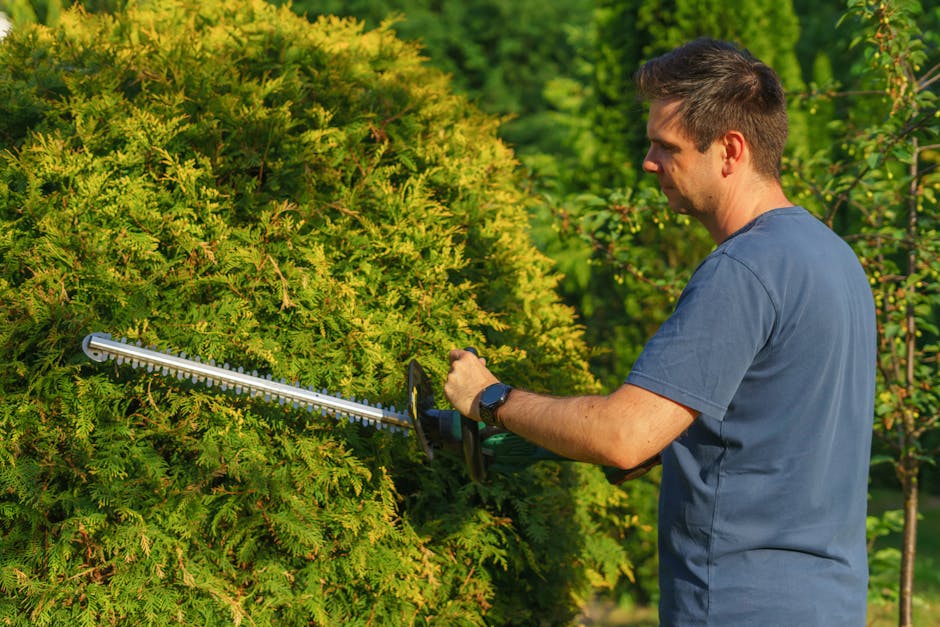
If you have ever tried to book a gardener in Lewisham and found yourself waiting longer than expected, you are not alone. Garden work looks simple from the outside, yet the booking process can slow down for very ordinary reasons: seasonal demand, weather, access issues, unclear job details, or a diary that is already full. This guide on Lewisham gardeners common booking delays and how to avoid is here to make the process easier, calmer, and far less frustrating.
Whether you need a one-off tidy-up, regular garden maintenance, or something more involved like hedge trimming or garden clearance, understanding where delays come from helps you plan better. And, to be fair, a little preparation on your side can save days, sometimes weeks, of back-and-forth.
In the sections below, you will learn what usually slows bookings down, how reputable local gardeners tend to manage their schedules, and what you can do to move your job to the front of the queue without cutting corners.
Why Lewisham gardeners common booking delays and how to avoid Matters
Booking delays are not just an annoyance. They affect the quality of the work, the timing of the result, and often the cost of the job too. If a garden has become overgrown, a delayed visit can turn a tidy-up into a larger clearance. If a lawn needs regular mowing, missing a slot can leave the grass too long and awkward to cut neatly. Small delay, bigger job. It happens more often than people think.
In Lewisham, where gardens range from compact terrace plots to larger family spaces, timing matters because many jobs are seasonal. Spring and early summer tend to fill quickly. After heavy rain, many outdoor jobs get pushed back. And when a property has tight access, shared side entrances, parking limitations, or narrow paths, there may be an extra planning step before anyone can even start.
The real value of understanding these delays is simple: you can reduce stress. You can choose the right type of booking, provide the right information, and avoid those awkward messages that begin with, "Sorry, can we move this by a day or two?" Honestly, that phrase can become a little too familiar if the booking is not set up well from the start.
If you are comparing services or planning a broader project, it can also help to look at the full range of available work on the services overview, especially if your garden needs more than one task carried out in the same visit.
How Lewisham gardeners common booking delays and how to avoid Works
Most booking delays come from a chain of small issues rather than one dramatic problem. A gardener receives an enquiry, checks the job details, confirms availability, and then plans the visit around travel, weather, equipment, and the likely time needed. If any one of those elements is unclear, the booking can stall.
Here is the usual flow:
- You send an enquiry. This may include photos, a brief description, and the type of work needed.
- The gardener reviews the scope. They need to know whether it is a quick lawn cut, hedge trimming, a seasonal tidy, or something larger.
- A quote or estimate is provided. If the details are vague, this stage can take longer.
- A date is agreed. Good bookings take into account access, weather, travel time, and job length.
- The visit is carried out. If the garden is prepared, the work usually runs more smoothly.
Delays usually appear when one of these steps is missing information. For example, "the garden is overgrown" is not enough on its own. Is it knee-high grass? Is there rubbish to remove? Are there brambles, broken fencing, or trees blocking access? That difference changes the job quite a lot.
Another common issue is seasonal pressure. Many Lewisham gardeners book up fast at the same time of year, especially when people suddenly realise the garden needs attention before guests arrive, a tenancy check is due, or the weather finally turns warm enough to notice everything. You will see this pattern every year. Same story, just different address.
For longer-term jobs, regular upkeep is often the easiest route. A scheduled garden maintenance service can reduce the risk of backlog because the work is spread out instead of piling up into a single urgent request. The same logic applies to recurring tasks such as lawn mowing and hedge trimming.
Key Benefits and Practical Advantages
When you avoid booking delays, you are not just saving time. You are improving the whole experience of getting work done in your garden. The advantages are practical, and a few are surprisingly overlooked.
- Faster turnaround: A clear brief helps the gardener confirm a date sooner.
- More accurate quotes: Better information reduces the chance of surprises later.
- Smoother on-site work: Less time is lost on arrival figuring out access, scope, or waste removal.
- Fewer reschedules: If the job is planned around the actual conditions, it is less likely to be moved.
- Better results: A tidy, well-timed booking usually produces a tidier finish.
There is also a quieter benefit: confidence. When you know what to expect, it is easier to compare providers, ask sensible questions, and avoid the classic trap of choosing the first available slot just because you are feeling impatient. We have all done that with some service or another, and it usually comes back to bite a little later.
If your project includes heavier work like clearance or structural changes, it can be worth reviewing garden clearance or even broader landscaping options, since these jobs often need more careful scheduling than a routine trim.
Who This Is For and When It Makes Sense
This topic matters to more people than you might expect. If you are a homeowner with a busy week, a landlord arranging a pre-tenancy tidy, a tenant trying to keep a small garden under control, or a property manager dealing with multiple outdoor spaces, booking delays can create real friction.
It also makes sense for anyone with a specific deadline. Perhaps you are planning a party in the garden, getting a property ready for sale, or trying to improve kerb appeal before photographs are taken. In those situations, the calendar matters as much as the work itself.
Here are the people who usually benefit most from planning ahead:
- Homeowners who want a one-off seasonal tidy-up
- Busy families with limited time to prep the garden
- Landlords and letting agents working to fixed timelines
- Older residents who prefer a regular maintenance schedule
- People with larger or more complex gardens that need several trades or services
If your outdoor space includes more than plants and lawn, such as a decked area that needs cleaning or repairs, it may help to look at decking services as part of the wider plan. The more joined-up the brief, the smoother the booking usually becomes.
Step-by-Step Guidance
If your goal is to avoid booking delays, the best approach is not complicated. It is mainly about clarity, timing, and a bit of common sense. Here is the simplest way to do it well.
- Define the job properly. Say what needs doing, not just that the garden "needs attention". Mention mowing, hedge trimming, clearance, pruning, or a seasonal tidy.
- Send photos from more than one angle. Wide shots help more than close-up photos. If there are access issues, show those too.
- Share your time window early. If you need the job done before a specific day, say so upfront. Last-minute deadlines cause delays.
- Be honest about the condition of the garden. Overgrown borders, waste, slippery surfaces, or hidden obstacles affect scheduling and tools needed.
- Ask what the quote includes. A good booking is clearer when you know whether waste removal, disposal, or extra labour is part of the plan.
- Prepare the space before the visit. Move cars, unlock gates, clear toys or bins, and make access easy. It sounds obvious, but it saves time.
- Confirm details the day before. A short message to check access, weather sensitivity, and arrival times can prevent misunderstandings.
A small example: if you need hedge trimming and lawn mowing on the same day, mention both in the same enquiry. Splitting them into separate messages can make the job look smaller than it really is, and that often leads to an unnecessary delay. One complete request is much easier to book than three incomplete ones.
If you are unsure which service category fits best, the services overview can help you frame the job before you send the enquiry.
Expert Tips for Better Results
People often assume the fastest booking goes to the cheapest enquiry or the loudest follow-up. Not really. The quickest bookings usually go to the best-prepared customers. Truth be told, that is true in a lot of trades.
1. Send useful detail, not a novel
You do not need to write a long essay. A few specific facts are enough: garden size, access, what needs doing, whether waste must be taken away, and when you want it done. Short, clear, practical. That is the sweet spot.
2. Use recent photos
A photo from last summer can mislead everyone. If the hedge has grown another foot, the quote and timing may change. Recent images help avoid that awkward "it looks bigger in person" moment.
3. Build in weather flexibility
Outdoor work in the UK is always a little weather-dependent. A damp morning, a windy day, or a heavy shower can affect cutting, clearance, and safe access. If your booking is time-sensitive, leave a cushion.
4. Group related jobs together
It is often quicker to arrange lawn care, hedge trimming, and a general tidy in one visit than to split them into separate appointments. Combining tasks can reduce travel duplication and simplify the diary.
5. Ask about regular scheduling
If your garden needs ongoing care, regular visits are usually easier to manage than repeated emergency bookings. This matters especially for lawns, fast-growing hedges, and seasonal borders. The garden stays under control, and so does your diary.
If the garden has safety concerns, awkward access, or anything structural, take a look at the provider's health and safety approach and insurance and safety information. That is not over-cautious; it is just sensible.
Common Mistakes to Avoid
Most delays are avoidable, but a few mistakes keep showing up again and again. They are easy to make, especially when you are busy.
- Being vague about the job: "Just a general tidy" can mean ten different things.
- Waiting until the last minute: Spring and early summer bookings can fill up quickly.
- Not mentioning access problems: Locked side gates, steep steps, shared entrances, and parking limitations all matter.
- Forgetting waste removal: Cutting and clearing are not always the same thing.
- Sending outdated photos: Conditions change fast in a growing garden.
- Assuming every garden job takes the same amount of time: It really, really does not.
- Changing the scope after booking: Adding extra work at the last minute can push the visit back.
One small but common issue is underestimating the amount of green waste. A patch of brambles, a hedge cut, and a few bags of clippings can turn into far more material than expected. If disposal is needed, say so early. It saves everyone a bit of faff.
Tools, Resources and Recommendations
You do not need specialist software or complicated planning systems to avoid delays. A simple, tidy approach usually works best.
Useful things to have ready before you book
- Clear photos of the front, back, and side access
- A short list of tasks, ranked by priority
- The property address and any access notes
- Preferred date ranges, not just one exact day
- Any notes about pets, parking, or neighbours
Good habits that save time
- Keep a seasonal note on your phone with garden tasks
- Take quick photos after heavy growth or storms
- Bundle maintenance jobs where possible
- Book earlier than you think you need to
If you are comparing services, pricing transparency also helps. A clear booking process is often reflected in clear pricing and scope. It is worth reviewing pricing and quotes so you know what information may be needed before a quote can be prepared. And if payment arrangements matter for your booking, the payment and security page is useful for understanding how a provider handles that side of the process.
For customers who care about garden waste handling, recycling, and greener disposal habits, the recycling and sustainability information is worth a look too. It can influence how clearance work is scheduled and sorted.
Law, Compliance, Standards, or Best Practice
For most home garden bookings, there is no complicated legal process. Still, it is wise to work with providers who follow sensible UK best practice around safety, clear communication, and fair trading. That usually means they explain what is included, what could change, and what happens if weather or access issues affect the visit.
If garden work involves ladders, power tools, heavy waste, tree work, or working near shared boundaries, safety matters more. In those cases, good practice includes proper risk awareness, suitable equipment, and insurance that is appropriate for the job. You do not need to become an expert yourself, but you should feel comfortable asking the question.
It is also best practice for customers to give accurate information. If a garden is difficult to access, has hidden hazards, or contains anything potentially risky, say so early. It is a simple courtesy, yes, but it also helps prevent avoidable delays and safer working conditions.
Where customer service policies matter, it can help to know that a professional company should have clear procedures for issues or complaints. That is not something anyone hopes to use, obviously, but it is reassuring to know a process exists. If you want to understand that side of service quality, the complaints procedure page offers a useful signal of how the business handles concerns.
Options, Methods, or Comparison Table
Different booking approaches suit different jobs. If you pick the wrong one, delays creep in. If you pick the right one, the process becomes much simpler.
| Booking method | Best for | Typical risk of delay | How to reduce delay |
|---|---|---|---|
| One-off tidy-up | Seasonal refresh, guests, small neglected spaces | Medium | Send photos, access notes, and a complete task list |
| Regular maintenance | Lawns, hedges, borders, ongoing upkeep | Low | Set a repeat schedule and keep the scope consistent |
| Clearance job | Overgrown gardens, waste removal, tenancy handovers | Medium to high | Explain volume, waste type, and whether heavy lifting is needed |
| Mixed service visit | More than one outdoor task in the same appointment | Medium | Combine all requests in one enquiry and prioritise them |
As a rule of thumb, the more uncertain the job, the more important it is to provide details early. A regular mowing slot is fairly straightforward. A garden that has not been touched for months, with hedge trimming, waste removal, and access issues, needs a clearer plan. No surprise there.
Case Study or Real-World Example
Here is a typical local scenario. A homeowner in Lewisham wants the garden ready for a family gathering in two weeks. The lawn is long, the hedge has become uneven, and the back path is blocked by a pile of cuttings from an earlier DIY attempt. They send a short message saying, "Need garden done soon."
That message is understandable, but not especially helpful. The gardener now has to ask follow-up questions: What size is the garden? Is the waste staying onsite or being removed? Is access clear? Does the hedge need shaping or just reducing in height? The booking can still happen, but it takes longer.
Now compare that with a stronger approach: "Front and back garden in Lewisham, need lawn mowing, hedge trimming, and removal of green waste. Back gate access available after 10am. Photos attached. Prefer next week if possible, before Saturday."
That version gives the gardener something usable. It is specific, realistic, and easy to schedule. In many cases, that difference is enough to move the booking from "not yet" to "yes, we can fit that in."
We have seen the same pattern with garden clearance jobs too. The people who describe the volume and access clearly are almost always the ones who get a cleaner quote and a smoother visit. Funny how that works.
Practical Checklist
Use this checklist before you send a booking enquiry. It is simple, but it catches most of the problems that create delays.
- Have I clearly listed every task I want done?
- Have I included recent photos from multiple angles?
- Have I mentioned access issues, parking, gates, or steps?
- Have I said whether waste needs removing?
- Have I given realistic date options?
- Have I explained any deadline or event timing?
- Have I checked whether the garden needs more than one service?
- Have I asked what information is needed for a quote?
- Have I confirmed any safety concerns or fragile areas?
- Have I kept the booking details in one message, not five scattered ones?
Quick practical summary: clear brief, clear access, clear timing. That trio avoids most booking delays before they begin.
Conclusion
Lewisham gardeners common booking delays and how to avoid them is really about preparation, honesty, and timing. If you give a local gardener the right information upfront, you make it easier to quote, easier to schedule, and easier to complete the work without drama. That means fewer reschedules, less waiting, and a better result at the end.
The good news is that you do not need to be an expert to get this right. A few photos, a clear description, a realistic timeframe, and a bit of foresight will go a long way. Small effort, big difference. And once you have done it properly once, it becomes much easier the next time.
If your garden needs recurring care, or you are planning a larger tidy-up, the smoothest next step is to review the service options and prepare your booking with as much detail as you can. A little organisation now can save a lot of waiting later.
Get a free quote today and see how much you can save.
Frequently Asked Questions
Why do Lewisham gardeners often have booking delays?
The most common reasons are seasonal demand, weather disruptions, unclear job details, access problems, and jobs taking longer than expected. A lot of delays are simply diary and planning issues rather than refusal or lack of interest.
How far in advance should I book a gardener in Lewisham?
For routine work, booking a little ahead is usually enough, but in busy spring and summer periods it is better to book earlier. If you have a deadline, do not leave it to chance. That is where people get caught out.
What information should I send to avoid delays?
Send a clear description of the job, recent photos, access details, whether waste needs removing, and your preferred time window. The more complete the enquiry, the faster it is usually handled.
Do I need to be home for the garden visit?
Not always, but that depends on access and the provider's working process. If gates, parking, or safety concerns need to be managed, it is sensible to confirm that before the visit.
What garden jobs are most likely to be delayed?
Large clearance jobs, overgrown hedges, mixed-service visits, and jobs with unclear access are more likely to be delayed than straightforward tasks like a regular mow or small tidy-up.
Can I speed up a booking by sending photos?
Yes, absolutely. Recent photos are one of the best ways to reduce delays because they help the gardener understand scope, access, and the likely time needed.
Is regular maintenance easier to book than one-off work?
Usually, yes. Regular maintenance is easier to plan because the work is more predictable and the garden is less likely to become heavily overgrown between visits.
What should I do if my garden has tight access?
Mention it immediately. Narrow side passages, shared entrances, locked gates, or limited parking can all affect timing and equipment choices, so they should be part of the initial enquiry.
Will bad weather always delay the booking?
Not always, but weather can change what is safe or practical. Some work can still go ahead in light conditions, while other tasks may need moving. A little flexibility helps.
How do I avoid last-minute changes to my garden booking?
Keep the brief consistent, confirm the scope early, provide all access notes, and avoid adding extra tasks on the day unless you really need to. Sudden changes are one of the biggest causes of rescheduling.
Does a bigger garden always mean a longer wait?
Not necessarily, but bigger gardens often need more planning, especially if waste removal or multiple tasks are involved. Clear information matters more than size alone.
What if I need several services at once?
Say so in one enquiry rather than splitting it up. If you need mowing, hedge trimming, clearance, or even related work like landscape gardening, combining the details can make scheduling much smoother.
One last thought: the best garden bookings usually feel unremarkable, and that is a good thing. No scramble, no confusion, no chasing. Just a tidy plan, a clear visit, and a space that feels cared for again.