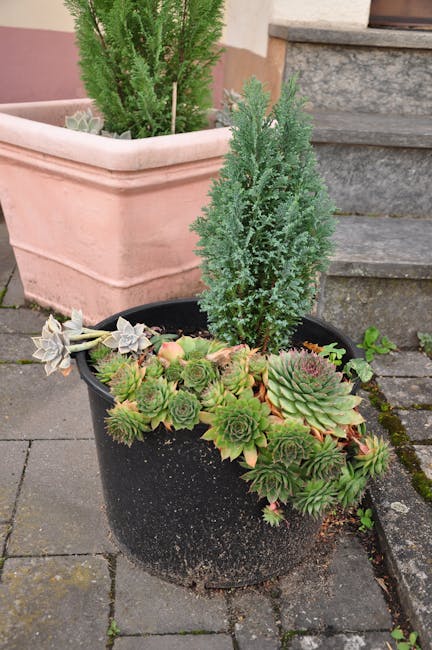
Lewisham High Street front garden ideas and gardeners tips

If you are looking for Lewisham High Street front garden ideas and gardeners tips, you are probably trying to solve more than one problem at once: make a small space look better, keep it tidy through the seasons, and avoid creating a garden that becomes a weekend chore. That is fair enough. Front gardens carry a lot of weight. They are the first thing you see when you come home, and the first thing neighbours and visitors notice too.
In a busy Lewisham setting, a front garden often has to do quite a bit of work. It may need to handle shade from nearby buildings, footfall to the front door, limited width, patchy soil, bins, bikes, or a short driveway. The good news is that even awkward spaces can look polished with the right plan. Below, you will find practical layout ideas, planting suggestions, maintenance advice, and the kind of everyday gardener tips that actually help.
We will keep it grounded, local, and usable. No fluff. Just a clear guide you can act on this week, whether you are refreshing a tired border, reworking a front path, or planning a more resilient low-maintenance scheme.
- Why this matters in Lewisham
- How front garden planning works
- Key benefits and practical advantages
- Who this is for and when it makes sense
- Step-by-step guidance
- Expert tips for better results
- Common mistakes to avoid
- Tools, resources and recommendations
- Law, compliance, standards, and best practice
- Options, methods, and comparison
- Case study
- Practical checklist
- Conclusion
- Frequently asked questions
Why Lewisham High Street front garden ideas and gardeners tips Matters
A front garden is not just decorative. It shapes how your home feels, how easy it is to maintain, and sometimes how much light reaches the front of the property. On a street like Lewisham High Street, where properties can be close together and front plots are often compact, smart design matters even more.
People often start with a plant they like or a photo they have saved, then realise later that the space does not suit it. The better approach is to think from the ground up: what do you need the garden to do, how much time do you want to spend on it, and what will still look good when the weather turns dull and damp? Let's face it, London weather can test a border pretty quickly.
A well-planned front garden can improve kerb appeal without becoming high maintenance. It can guide visitors neatly to the door, soften hard paving, hide practical features like bins, and create a calmer feel at the front of the house. That is especially useful if your front plot is visible from the pavement and you want it to look tidy all year, not just in June.
For homeowners, landlords, and anyone preparing a property for sale or rental, the front garden is often one of the easiest places to make a visible difference. A trimmed hedge, a clear path, and healthy planting can change the whole impression in a single afternoon. Maybe not magic. But close enough.
How Lewisham High Street front garden ideas and gardeners tips Works
The practical side of front garden design is simple enough once you break it down. Start with structure, then layer in planting, then decide how much maintenance you are willing to do. That order matters. If you put plants in before you solve the layout, you can end up fighting the space instead of using it well.
Most front gardens work best when they have three things:
- A clear route from pavement to front door
- A repeatable planting structure that looks neat in every season
- Easy maintenance access so pruning, weeding, and sweeping are not a nuisance
On smaller London plots, that often means using a limited palette of plants, keeping edges crisp, and choosing materials that age well. Gravel, paving, compact evergreen shrubs, and carefully placed containers all work well if they are used with restraint. Too many features in a small front garden can make it feel busy and oddly cramped.
Gardener tips matter because front gardens are exposed. Dust from the road, salt spray in winter, foot traffic, and repeated trimming all affect the final result. A planting plan that looks beautiful in a back garden can fail at the front if it needs constant pampering. The trick is to choose plants and materials that can take a bit of rough and tumble.
If you want a broader view of how regular upkeep fits into a tidy outdoor space, it can help to look at garden maintenance support and the wider services overview so you can match the garden design to the level of care you realistically want.
Key Benefits and Practical Advantages
There are some obvious benefits to improving a front garden, and a few that people only notice later. The visible ones are easy: better appearance, more structure, and a cleaner entrance. The less obvious ones are just as important.
- Lower day-to-day effort: a tidy layout reduces time spent fighting weeds, overgrowth, and messy edges.
- Better first impression: neat borders and well-kept plants make the whole property feel cared for.
- Improved usability: a sensible path and clear access help with bins, deliveries, prams, or mobility needs.
- Stronger seasonal interest: evergreen structure means the garden still looks good in winter, not just in bloom.
- More flexibility later: a well-designed base makes it easier to refresh planting without rebuilding everything.
There is also a cost angle, though not in a dramatic way. A front garden that is easy to manage usually costs less over time than one that needs constant correction. If you are paying for help, a sensible design can make maintenance visits more efficient. If you are doing it yourself, it means fewer lost evenings standing there wondering why the patch beside the path keeps turning into a weed festival.
For homeowners who want professional help with the routine side of upkeep, a reliable lawn mowing service or hedge trimming support can keep the front of the property sharp while you focus on bigger improvements.
Who This Is For and When It Makes Sense
This topic suits quite a few people, and not all of them are keen gardeners. That is part of the point.
You may benefit from these ideas if you are:
- a homeowner wanting a smarter first impression
- a landlord keeping a property presentable between tenancies
- a new buyer trying to improve a tired frontage on a budget
- someone with a small or awkward plot who needs practical, low-maintenance ideas
- a busy household that wants a front garden to look good without weekly fuss
It also makes sense when the existing front garden has stopped working. That might mean the hedge has outgrown the space, the lawn is patchy, the borders feel random, or the path is awkward to walk on. You do not always need a full redesign. Sometimes you need a cleaner layout, a few structural plants, and a proper cut-back.
If the space has become overgrown or cluttered, a proper clear-out can help you start again with a better base. In that case, garden clearance is often the most sensible first step before planting anything new.
There are times when a front garden simply needs a more thorough refresh rather than piecemeal changes. That is where landscaping or landscape gardening can make a proper difference, especially if you want to reshape levels, paths, edging, or hardstanding.
Step-by-Step Guidance
If you want a front garden that looks good and stays manageable, work through this in order. It saves a lot of second-guessing.
1. Assess the space honestly
Stand at the pavement and look at the whole frontage. What do you actually see first? A tired hedge? A narrow strip of soil? A cracked path? Be honest. The first step is naming the problem correctly, because a front garden often has only one or two main issues, not ten.
2. Decide the main job of the garden
Ask yourself whether the garden is mainly for appearance, privacy, low maintenance, or a bit of all three. A front garden that needs privacy will call for different planting than one designed to stay open and welcoming. If you are after a more decorative look, repeated shapes and clear edges work beautifully. If privacy matters, a well-trimmed boundary planting or hedge may be better.
3. Keep the layout simple
For most Lewisham front gardens, simple wins. A clear path, a defined planting bed, and one or two focal points are usually enough. If you have room, a small seating bench or a compact feature tree can work, but only if it does not crowd the entrance.
4. Choose plants that suit exposure and maintenance levels
Front gardens often get less shelter than back gardens. Choose plants that can handle wind, occasional dryness, and pruning. Evergreen shrubs, hardy perennials, ornamental grasses, and compact climbers are often good options. Avoid filling the space with high-maintenance specimens unless you genuinely enjoy the work. Truth be told, many people do not.
5. Sort the hard surfaces
Clean paving, smart edging, and a stable surface matter more than many people expect. A neat path does half the visual work for you. If your entrance has timber features, consider whether a small decked area would improve flow; sometimes decking services are a practical way to tidy up a front threshold or create a level transition.
6. Add one strong finishing touch
One strong feature is usually enough: a pair of planters, a low brick edge, a clipped shrub, or a repeating planting rhythm. This gives the garden identity without cluttering it. Too many focal points and it starts looking like a showroom. Which, to be fair, is rarely the goal.
7. Plan the maintenance routine
Every front garden needs a rhythm. Light weeding, occasional pruning, seasonal feeding, and a sweep of the path can keep it in good shape. If you want support with the routine side, a regular visit from garden maintenance can keep small jobs from snowballing.
Expert Tips for Better Results
Here are the details that usually make the difference between "fine" and "really tidy". Small things, but they matter.
- Repeat plants rather than scattering lots of varieties. Repetition brings calm. A row of the same low shrub or grass looks more professional than a mixed patchwork.
- Use evergreen structure as the backbone. Deciduous plants come and go, but evergreen shapes keep the garden looking intentional in winter.
- Leave enough room to work. If you cannot comfortably prune, weed, or water a bed, it will become annoying quickly.
- Match the front garden to the house. A modern frontage usually suits cleaner lines, while a period home may look better with softer planting and a more traditional feel.
- Trim before things become heavy-handed. Light, regular cutting is better than an annual chop-back that leaves everything looking stressed.
A useful little habit is to take a photo of the front garden from the street every few weeks. You will spot awkward gaps, overgrown spots, or clutter much faster on screen than while standing in it. Oddly enough, the camera is often more honest than the eye.
If boundaries are becoming unruly, a tidy line from hedge trimming can restore shape fast. And if there are trees shading the area too heavily or growing into awkward positions, careful assessment through tree lopping and removal may be needed, always with proper judgement and safety in mind.
For households trying to reduce waste and be more mindful about materials, it can also help to think about recycling and sustainability when clearing soil, cuttings, or old hard landscaping.
Common Mistakes to Avoid
Front gardens often go wrong in predictable ways. The good news is that most of them are easy to avoid once you know what to look for.
- Choosing plants only for looks. Lovely in the nursery, disappointing two months later if they hate the site.
- Overcomplicating a small space. Too many materials, colours, or plant types can make a compact garden feel messy.
- Ignoring maintenance access. If a bed blocks the window or makes it hard to sweep the path, it will soon annoy you.
- Letting hedges and shrubs become oversized. A front garden often looks smaller and darker when planting is allowed to sprawl.
- Forgetting drainage and soil condition. Wet, compacted soil can ruin otherwise decent planting.
One other mistake is assuming a front garden must be "finished" in a single weekend. Sometimes it can be. Often it cannot. A slow, staged approach is better, especially if you are unsure about the best layout. Start with clearing, then edges, then planting, then small finishing details. That order keeps the work manageable.
And yes, a slightly overgrown patch can look charming for a while. Then autumn arrives, the leaves pile up, and suddenly charming becomes cluttered. Happens all the time.
Tools, Resources and Recommendations
You do not need a van full of specialist kit to improve a front garden. Most jobs are manageable with a sensible small set of tools and a bit of patience.
| Task | Useful tools | What to look for |
|---|---|---|
| Edging and tidying | Spade, edging iron, hand fork | Sharp edges and clean borders |
| Pruning and shaping | Secateurs, loppers, hedge shears | Clean cuts, not torn stems |
| General maintenance | Gloves, rake, watering can, broom | Comfort, reach, and easy storage |
| Planting refresh | Compost, mulch, trowel, soil conditioner | Healthy root establishment and moisture retention |
For a front garden that needs ongoing care rather than a one-off refresh, it is worth thinking in terms of service support. Many people prefer a mix of hands-on work and occasional professional help, especially for the messier jobs or seasonal cut-backs. If that sounds like you, you may find lawn mowing and hedge trimming useful as part of a wider maintenance plan.
If the frontage is particularly untidy or has accumulated old growth, garden clearance can be a practical reset before any design work begins. And if you want to understand the business side before booking anything, pricing and quotes can help set expectations in a straightforward way.
It is also sensible to choose providers that take safety, insurance, and working methods seriously. For peace of mind, review insurance and safety and the company's health and safety policy before arranging more involved work.
Law, Compliance, Standards, or Best Practice
Front garden projects are usually straightforward, but there are still a few practical and legal points to keep in mind. This is not the place for guesswork.
If your frontage sits close to a pavement, boundary wall, shared access, or a tree with preservation concerns, be careful before removing anything significant. Local rules and property boundaries can matter. If you are unsure, it is better to pause and check rather than cut first and think later.
For any work involving trees, large hedges, or heavier clearance, safe working practice matters more than speed. Overreaching with ladders, using blunt tools, or rushing a cut can cause damage or injury. That is one reason professional services exist. It is not just about convenience; it is about doing the job in a controlled way.
Best practice in garden maintenance usually means:
- keeping access routes clear
- disposing of green waste responsibly
- using the right tool for the job
- working within the site conditions, not against them
- checking boundary ownership before changing fences, walls, or shared planting
If you are reviewing a company before booking, it can also be useful to look at basic trust pages such as about us, terms and conditions, payment and security, and the site's accessibility statement. Those pages tell you something about how the business works, which is never a bad thing.
Options, Methods, and Comparison Table
Not every front garden needs the same approach. Here is a simple comparison to help you decide what fits your space and your patience level.
| Approach | Best for | Pros | Trade-offs |
|---|---|---|---|
| Low-maintenance planting | Busy households, rental properties, small plots | Easy to keep tidy, looks good year-round | Can feel less soft if overdone |
| Mixed border and lawn | People who want a greener, traditional feel | Classic look, flexible planting | Needs more regular upkeep |
| Hard landscaped frontage | Very narrow spaces or access-heavy homes | Neat, practical, often easier to clean | Needs careful design to avoid looking stark |
| Feature-led scheme | Homes that want impact and character | Strong visual identity, memorable entrance | Can become high maintenance if not planned well |
If you are unsure, low-maintenance planting with a clear path is usually the safest starting point. It gives you room to add more later without committing to a costly rebuild. That tends to be the least stressful option, and frankly the least likely to make you mutter at 7 a.m. while carrying a watering can.
Case Study or Real-World Example
Here is a realistic example from the kind of Lewisham frontage many people recognise. A narrow front garden with a small lawn, an untidy hedge, and a path that had become visually lost under stray planting. Nothing catastrophic. Just tired.
The solution was not dramatic. The lawn was neatened, the hedge was cut back into shape, the border was simplified, and the clutter around the entry point was removed. Two repeated evergreen shrubs were used to create structure, with a few seasonal plants added for colour. The path became visible again, which sounds minor, but it made the whole front feel larger and calmer.
What changed most was the maintenance pattern. Instead of a garden that needed constant rescue, it became one that only needed regular light care. A small trim here, a sweep there, a quick weed removal after rain. That is the kind of improvement people notice after a month or two. Not flashy. Just quietly better.
If the same kind of front garden had been left to get bigger and messier, it would probably have needed a much heavier intervention. Sometimes a controlled reset is cheaper and easier than letting the space carry on as it is. Small jobs have a funny way of becoming bigger ones if you leave them alone too long.
Practical Checklist
Use this before you start a front garden refresh.
- Have I decided whether the main goal is kerb appeal, low maintenance, privacy, or access?
- Is the path to the front door clear and easy to use?
- Do I know which plants can handle the light, shade, and exposure here?
- Have I limited the number of materials and plant types enough to keep the design calm?
- Are there any overgrown hedges, trees, or borders that need cutting back first?
- Do I have a plan for regular maintenance, not just the initial makeover?
- Is there any waste, debris, or old growth that needs clearing away first?
- Have I checked whether any boundary or access issues need attention before work begins?
- Would I benefit from professional help for the heavier or recurring jobs?
- Does the final plan still look good in winter, not only in peak growing season?
A quick yes-or-no run through this list can save a lot of regret later. Honestly, that is one of the simplest ways to avoid overdesigning a small front space.
Get a free quote today and see how much you can save.
Conclusion
Good Lewisham High Street front garden ideas and gardeners tips are not really about chasing perfection. They are about making a small, visible part of your home look calm, cared for, and easy to live with. A smart front garden should feel welcoming when you walk up to it, and manageable when you are the one keeping it tidy.
Start with structure. Choose plants that suit the site. Keep the maintenance realistic. And if the space needs a reset before it can look its best, do not be shy about clearing, trimming, or reworking it properly. A modest, well-kept front garden usually outperforms a fussy one every time. It just does.
If you want help turning a tired frontage into something neat, practical, and easy to manage, the next step is simply to plan the work in the right order. Little improvements stack up. Before long, the whole place feels lighter.
Frequently Asked Questions
What are the best front garden ideas for a small Lewisham property?
For small front gardens, keep the layout simple: a clear path, one or two repeating plant types, and a tidy edge. Compact evergreen shrubs, container planting, and low borders usually work well because they keep the space ordered without crowding it.
How do I make a front garden look good without spending every weekend on it?
Choose low-maintenance planting, reduce the number of different species, and keep hard surfaces clean. Regular light care is easier than occasional big jobs, so a short weekly tidy-up beats a full overhaul later on.
Should I keep a lawn in my front garden?
Only if it genuinely suits the space and you are happy to mow it. A small lawn can soften the frontage, but in very narrow or heavily used areas, planting, gravel, or paving may be more practical.
What plants are usually reliable for front gardens in London?
Hardy evergreen shrubs, ornamental grasses, and durable perennials are often sensible choices. The best plants depend on the light and soil, though, so it is worth matching the plant to the site rather than the other way round.
How often should a front hedge be trimmed?
That depends on the growth rate and the shape you want, but regular light trimming is usually better than letting it become overgrown. A tidy hedge makes a big visual difference, especially in a front garden that faces the street.
What should I do before redesigning an overgrown front garden?
Start by clearing debris, removing dead material, and identifying what needs cutting back. If the area is congested, a proper garden clearance can make the redesign much easier and more accurate.
Is landscaping worth it for a front garden?
Yes, if the current layout is awkward, uneven, or difficult to maintain. Even modest landscaping can improve access, define planting areas, and make the garden feel more finished. It does not have to be a huge project.
Can a front garden improve kerb appeal quickly?
Absolutely. A neat path, trimmed edges, and healthy planting can change the first impression very quickly. Sometimes the fastest gains come from pruning and cleaning rather than adding new features.
How do I know whether to use lawn mowing or hedge trimming services?
If the issue is mainly a tired or uneven lawn, mowing is the obvious starting point. If the space feels closed in or messy at the edges, hedge trimming may be more important. Many front gardens need both, just in different proportions.
What are the most common mistakes in front garden design?
The biggest mistakes are overcrowding, picking plants without thinking about maintenance, and ignoring the route to the front door. A front garden should be easy to use first, attractive second, and complicated third. In that order.
Do I need professional help for a front garden makeover?
Not always. Small tidy-ups can be DIY-friendly. But if the space needs clearing, structural changes, heavy pruning, or ongoing maintenance, professional help can save time and prevent costly mistakes.
How can I keep a front garden tidy through winter?
Focus on evergreen structure, clean edges, and leaf clearance. Winter is when well-designed gardens really prove their worth, because they still look intentional even when flowers are scarce. A little order goes a long way.