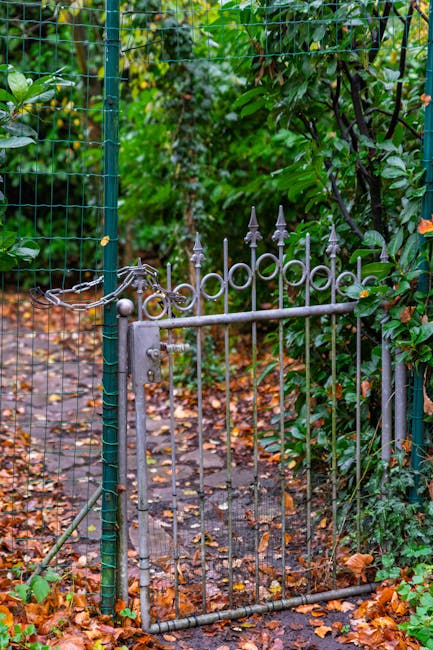
Brockley garden access problems and gardeners fixes
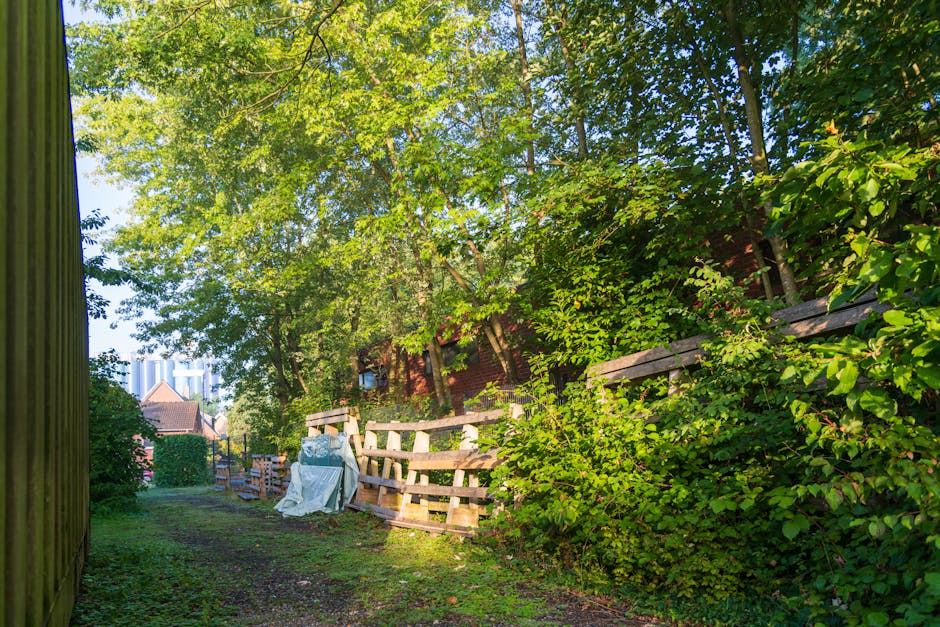
If you have ever looked at a narrow side return, a steep back path, or a garden hidden behind two flights of awkward steps and thought, "How on earth is anyone meant to get tools through that?", you are not alone. Brockley garden access problems and gardeners fixes are a very real part of keeping local gardens tidy, usable, and safe. In Brockley, many homes have compact front entrances, shared passageways, tight gates, split-level layouts, or rear access that is fine for a person but not for a mower, hedge cutter, or bags of green waste. The good news? Most access problems can be worked around with the right plan, the right equipment, and a gardener who knows how to adapt.
This guide explains what access issues look like, why they matter, how professional gardeners approach them, and what fixes usually work best in real homes. You will also find a practical checklist, a simple comparison table, and answers to common questions so you can make a sensible decision without faffing about.
Why Brockley garden access problems and gardeners fixes Matters
Access is not a side issue. It shapes how efficiently a garden can be maintained, how safely work can be carried out, and whether a job finishes on time or turns into a long, messy slog. In Brockley, the layout of many properties means a gardener may need to carry everything by hand through a house side passage, around a shared alley, or over a narrow threshold that barely fits a wheelbarrow.
That matters for several reasons. First, poor access can make regular maintenance more expensive and slower, because the work itself may be simple but the movement of tools and waste is not. Second, awkward access increases the chance of damage. A mower dragged over a doorstep can scuff paint or scratch flooring; a hedge trimmer squeezed through a tight gate can catch on brickwork. Third, access problems can quietly stop a garden from being maintained properly at all. Once that happens, the space gets harder to manage, and the whole job snowballs.
There is also the stress factor. Let's face it, nobody wants gardeners arriving only to realise the best route is through a narrow kitchen door that was never meant for compost bags. A good local gardener will spot these issues early and plan around them before any work starts. If you want to see the wider range of services that can be adapted to difficult gardens, the services overview is a useful starting point, and the practical approach behind it is explained in the company's about us page.
Expert summary: access problems are not just about convenience. They affect safety, garden quality, timing, waste removal, and the overall cost of keeping a Brockley garden under control. Fix the access plan first, and the rest becomes much easier.
How Brockley garden access problems and gardeners fixes Works
The phrase sounds specific, but the process is straightforward. A gardener looks at how people, tools, and waste will move in and out of the garden, then chooses the least disruptive route. Sometimes the fix is small and obvious. Sometimes it takes a bit of thought. Usually, it is a mix of planning, equipment choice, and careful handling.
In practical terms, the process often starts with a few questions: Can a mower fit through the gate? Is there level ground, or are there steps? Will hedge cuttings need to be bagged on site? Can waste be moved in a barrow, or does it need to be carried section by section? Those details sound minor until you are the one lifting a wet hedge truss through a corridor. Then they feel very major indeed.
Gardeners may solve access issues by using smaller tools, dismantling larger material before moving it, bringing bags out in stages, using protective coverings for floors and thresholds, or scheduling clearance work so it happens before finer maintenance. For example, if a garden is badly overgrown, a full tidy-up through garden clearance may be the practical first move before any regular garden maintenance begins.
In some Brockley homes, a team will also need to think around other features. A decked area can be awkward to cross, especially if it is slick after rain, so a service such as decking services may come into the conversation if the access route itself needs rebuilding or improving. The same goes for overgrown hedges or small trees blocking movement. A route may look impossible until a sensible amount of cutting back is done.
Key Benefits and Practical Advantages
When access issues are handled properly, the benefits are bigger than most people expect. You are not only making the job easier for the gardener; you are making the whole garden more usable and easier to look after over time.
- Cleaner work flow: tools, cuttings, and waste move through the property with less disruption.
- Lower risk of damage: there is less chance of scuffed walls, broken plants, or worn turf.
- Better results: when access is planned properly, gardeners spend more time on the garden and less time battling the route.
- Faster turnaround: tidy routes, smaller loads, and smart staging can make a big difference.
- More regular upkeep: once access is solved, ongoing maintenance becomes realistic rather than a headache.
There is a quiet but important advantage too: better communication. A gardener who talks through access issues before the visit tends to work more smoothly and confidently on the day. That usually means fewer surprises, fewer delays, and a better relationship with the client. Simple, really.
Access planning also matters if your garden needs a broader refresh. For larger projects, landscape gardening or landscaping can be used to redesign routes, storage areas, or movement paths so maintenance becomes easier in the long run. And if the work includes thorny hedges or large boundary shrubs, hedge trimming can be part of the fix, not just the finish.
Who This Is For and When It Makes Sense
This topic is relevant to far more people than you might think. If your garden is tidy but access is clumsy, or if the garden is overgrown partly because nobody wants to fight through it, you are a good candidate for specialist help.
It tends to make sense for:
- homeowners with narrow side entrances or awkward rear access
- landlords wanting a property made presentable without damage to shared areas
- tenants or leaseholders who need the garden restored within sensible limits
- older properties with stepped or split-level layouts
- small courtyards and compact urban gardens where every metre matters
- properties with heavy hedging, poor visibility, or blocked paths
You may also need this approach if access is technically possible but inefficient. That sounds a bit dry, but it is a real issue. A ten-minute job can become an hour if every bag of cuttings must be carried through a house one by one. In that case, the right fix is often not "do more effort" but "do the job in a better order."
Truth be told, many people only notice access problems after one bad experience with a previous gardener. Maybe a gate was left open, a path was muddied, or a bulkier tool simply could not get through. That is exactly when a more thoughtful approach becomes worthwhile.
Step-by-Step Guidance
If you are trying to solve access issues properly, here is the process that usually works best. It is not glamorous, but it is effective.
- Walk the route first. Check how tools, waste, and people will move from the street to the garden. Notice pinch points, steps, low gates, and slippery surfaces.
- Measure the narrowest spots. Gate width, doorway clearance, step height, and turning space matter more than the overall size of the garden.
- Identify what can be reduced or broken down. A hedge, branch pile, or awkward shrub may be easier to dismantle before moving.
- Choose smaller or lighter equipment where possible. Compact tools often make more sense than forcing bigger machines through tight routes.
- Protect the access path. Use coverings, boards, or careful lifting when surfaces are delicate, muddy, or indoors-adjacent.
- Stage waste removal. Bag cuttings in manageable loads, then move them out in a planned sequence rather than in one panic-heavy rush.
- Review what should change permanently. If the same access issue keeps causing trouble, consider whether the layout itself needs improvement.
A good example is a narrow Brockley terrace with a rear garden reached through a side passage. The passage is not unusable, but it is too tight for large tools and awkward when wet. The fix might be to bring in hand tools, do the heavier cutting at the back of the garden, bag waste in smaller batches, and use a separate route for exit. Not fancy. Just sensible.
If you are checking fees or trying to compare options before work begins, it can help to look at pricing and quotes early on, because access problems often affect the time required more than the visible size of the garden. That is one of those things people forget until the invoice discussion gets a bit awkward.
Expert Tips for Better Results
These are the sorts of small adjustments that make a big difference in real gardens, especially where access is tight and the job needs to be done cleanly.
- Agree the route before arrival. A two-minute conversation can prevent a twenty-minute detour.
- Clear the first metre or two. The entrance area usually causes the most friction, so keep it free of bins, bikes, toys, and loose pots.
- Use temporary staging points. If the garden is long or split into sections, set one place for cuttings and another for tools.
- Think about weather. A route that feels fine in dry weather can become a slipping hazard after a shower. London does like a surprise drizzle, doesn't it?
- Prioritise safety over speed. A careful job is almost always the faster job in the end.
- Keep communication practical. Simple instructions beat vague assumptions every time.
Another useful point: if access is limited because of overgrowth rather than architecture, do not wait until the garden is nearly impassable. A measured cut-back now is much easier than a rescue operation later. For heavy boundary growth, tree lopping and removal may also be relevant where safe and appropriate, especially if branches are blocking the main working route.
And if the garden is to be maintained over months rather than fixed once, ask whether the service schedule can be adjusted. Smaller, more regular visits often suit difficult access better than long, infrequent sessions.
Common Mistakes to Avoid
Most access problems are manageable. The trouble starts when people underestimate them. Here are the mistakes that tend to cause the most hassle.
- Assuming "it will be fine on the day." That is how bruised walls and wasted time happen.
- Forgetting about waste removal. A garden can be reachable in theory, but still impractical if green waste has nowhere sensible to go.
- Ignoring shared spaces. In flats, terraces, and leasehold properties, hallways and communal paths need extra care.
- Using the wrong equipment. Bigger is not always better. Sometimes it is just bulkier and less helpful.
- Starting with cutting before route planning. If you create waste before you know how it will leave the site, the whole job becomes messy.
- Not protecting surfaces. A muddy passage or a freshly painted wall can be damaged surprisingly quickly.
One more thing. Do not make the mistake of pretending a difficult access problem is actually a "small detail." It is often the main issue. Once that is accepted, the solution gets much clearer.
Tools, Resources and Recommendations
The best tools for access problems are the ones that reduce bulk, minimise carrying distance, and protect the property. That can mean smaller hand tools, folding handles, lightweight bags, protective sheets, and simple route markers. Nothing dramatic. Just the right kit for the environment.
For a typical Brockley garden with a tight entrance, a gardener may recommend:
- compact hand shears for tight shaping
- lightweight bags or tubs for cuttings
- tarps or covers for lifting waste cleanly
- boards or floor protection where needed
- pruning tools that allow work to be dismantled in sections
- clearly defined staging areas for tools and waste
If the garden needs a broader tidy, it can also be sensible to combine access planning with ongoing upkeep. That is where regular lawn mowing helps, especially if the grass has become too long to manage comfortably in one pass. And if the access issue is linked to general site condition, a more structured garden maintenance routine can stop the problem from creeping back.
For customers who want to understand the wider service picture before booking, the services overview can help you see how clearance, cutting, maintenance, and layout improvements fit together. That kind of joined-up thinking saves a lot of back-and-forth later.
Law, Compliance, Standards, or Best Practice
Access work in gardens is not usually highly regulated in the same way as major construction, but best practice still matters. A professional gardener should work carefully around trip hazards, manual handling risks, sharp tools, biological waste, and any shared or private access areas that belong to the customer or neighbours. Good practice also means leaving the site safe, not just tidy.
In the UK, it is sensible to expect a provider to follow clear health and safety habits, use appropriate insurance, and communicate about hazards before work begins. If a route crosses a private drive, shared alley, or internal area, the gardener should take extra care to prevent damage and reduce risk to everyone on site. That is basic professionalism, really.
Where waste is involved, good recycling and disposal habits matter too. A responsible team should think about sorting green waste sensibly and reducing avoidable landfill use where possible. If environmental handling is important to you, the company's recycling and sustainability approach is worth reviewing. For peace of mind around working practices and site safety, the health and safety policy and insurance and safety information are also useful to read.
If you are particularly concerned about how a service is run, it can help to understand the company's process and standards before booking. The complaints procedure and terms and conditions can offer a clearer picture of expectations. Slightly boring maybe, but very useful when you need it.
Options, Methods, or Comparison Table
Not every access problem needs the same solution. Some are handled with better planning. Others need a small physical change. And some are really just a sign that the garden needs a different maintenance rhythm.
| Approach | Best for | Strengths | Limitations |
|---|---|---|---|
| Smaller tools and hand carrying | Narrow gates, tight passages, modest gardens | Simple, low disruption, flexible | Slower on large jobs |
| Stage-by-stage clearance | Overgrown or cluttered gardens | Makes difficult spaces manageable | Can take longer at the start |
| Route protection and careful lifting | Homes with delicate floors or shared access | Reduces damage and stress | Needs discipline and planning |
| Layout changes or landscaping | Repeated access issues | Improves long-term usability | Higher upfront commitment |
| Regular maintenance visits | Gardens that quickly re-block access | Keeps routes open and manageable | Requires consistency |
If the access challenge keeps returning, the table above usually points to the answer. Temporary fixes help in the short term. But if the same gate, passage, or overgrowth causes trouble again and again, a more structural solution is normally the better investment.
Case Study or Real-World Example
A common Brockley scenario goes like this. A terrace garden looks fine from the street, but the actual working route is through a narrow side path with one awkward corner and a step at the back. The garden itself is not huge, but the gate only opens fully if a bin is moved, and the route gets damp after rain. Not ideal.
The fix started with a proper walk-through. The gardener measured the pinch point, checked the slope, and identified the best route for tools and waste. A compact set of equipment was used, the heavier cutting was done closest to the work area, and all waste was bagged in smaller loads. The first area near the gate was cleared early so movement stayed easier for the rest of the job. A little dull on paper, but it worked.
By the end, the garden was back under control without damage to the path or the side return. More importantly, the access route was left better than before because the clutter that had built up near the entrance was removed. That is the sort of result people usually want: not just a tidy garden, but one that is actually manageable next time too.
When jobs like this need to be planned carefully, it helps to work with a team that understands both the practical side and the property side of the work. If you want to learn more about the people behind the service, the about us page gives a useful sense of approach and priorities.
Practical Checklist
Use this checklist before the gardener arrives or before you request a quote. It keeps things simple and saves a lot of guesswork.
- Measure the narrowest gate, doorway, or passage.
- Note any steps, slopes, or slippery surfaces.
- Clear bins, bikes, toys, and loose clutter from the route.
- Decide whether waste can leave the site in small loads.
- Check whether any plants, paving, or paintwork need protection.
- Tell the gardener about shared access, neighbours, or locked areas.
- Flag any broken fences, unstable steps, or soft ground.
- Confirm whether the garden needs clearance before maintenance.
- Ask what equipment will be used and whether it fits the route.
- Agree how cuttings and waste will be handled after the visit.
If you tick most of these off, you are already ahead of the curve. Seriously. A bit of prep saves a lot of hassle.
Conclusion
Brockley garden access problems and gardeners fixes are really about one thing: making gardening practical again. A difficult route does not have to mean a difficult garden. With the right plan, smaller-scale tools, careful staging, and a sensible order of work, even awkward access can be handled cleanly and without drama.
For homeowners, landlords, and anyone trying to get a stubborn outdoor space back into shape, the key is to treat access as part of the job, not an afterthought. Once that happens, the whole project becomes more predictable, safer, and far less stressful. And that is a decent result, no matter how small the garden is.
Get a free quote today and see how much you can save.
If you are ready to take the next step, start with a clear look at the route, then speak to a team that can adapt the work to your space rather than forcing the space to fit the work. That simple shift can make all the difference, and it often feels like a weight off your shoulders.
Frequently Asked Questions
What are the most common garden access problems in Brockley?
The most common issues are narrow side passages, small gates, steps, shared alleyways, awkward corners, and routes that become slippery or cluttered in wet weather. In some homes, the garden is accessible but only with small tools and careful movement.
Can a gardener work if the only access is through the house?
Yes, often they can, provided the route is agreed in advance and suitable protection is used. It usually means extra care, smaller loads, and a tidy process for carrying tools and waste through the property.
Do access problems make garden work more expensive?
Sometimes they do, mainly because the job may take longer or require more careful handling. But that is not always the case. A well-planned visit can offset a lot of the extra time, especially if the gardener knows the site in advance.
What is the best fix for a very narrow side return?
The best fix is usually a mix of compact tools, staged waste removal, and a route that is kept clear from the start. If the passage is a recurring problem, small layout improvements may help too.
Should I clear the garden before the gardener arrives?
Only the access route needs to be cleared, not necessarily the whole garden. Removing bins, bikes, and loose clutter from the entry path is often enough to make the job smoother.
Can overgrown hedges make access worse?
Absolutely. Overgrown hedges can block movement, reduce visibility, and make narrow routes feel even tighter. In some cases, cutting them back is part of the access fix itself.
Is garden clearance different from regular maintenance?
Yes. Garden clearance is usually the bigger reset job, often used when a space has become cluttered or overgrown. Regular maintenance keeps things manageable after that, so the access issue does not return as quickly.
What should I ask a gardener before booking?
Ask how they would handle the access route, what equipment they use for tight spaces, how waste will be removed, and whether they think a clearance visit is needed before maintenance starts.
How do I protect floors or walls during garden work?
Use coverings, agree the route in advance, and make sure the gardener knows which areas are delicate. A careful team will usually bring sensible protection for thresholds and high-contact spots.
Can landscaping actually solve access issues long term?
Yes, in some gardens it can. A better path, a more workable gate layout, or a redesigned movement route can turn a frustrating garden into a much easier one to maintain. It is not always necessary, but when it is, it pays off.
What if the garden is accessible only in theory?
That usually means the route exists but is too awkward for practical work. In those cases, a gardener may use smaller tools, break the job into stages, or suggest layout changes so the space can be maintained properly.
How do I know whether I need clearance, maintenance, or landscaping?
If the garden is overgrown and hard to reach, clearance is often the first step. If the space is already under control but needs ongoing care, maintenance is the better fit. If the layout itself creates repeated access problems, landscaping may be the long-term answer.